Edu4Plastic pre- and post-assessment
Please assess your level of knowledge and understanding.
1 / 30
I understand how circular economy differs from linear models of production and consumption.
2 / 30
I can describe the main principles of life-cycle thinking and their relevance for sustainability.
3 / 30
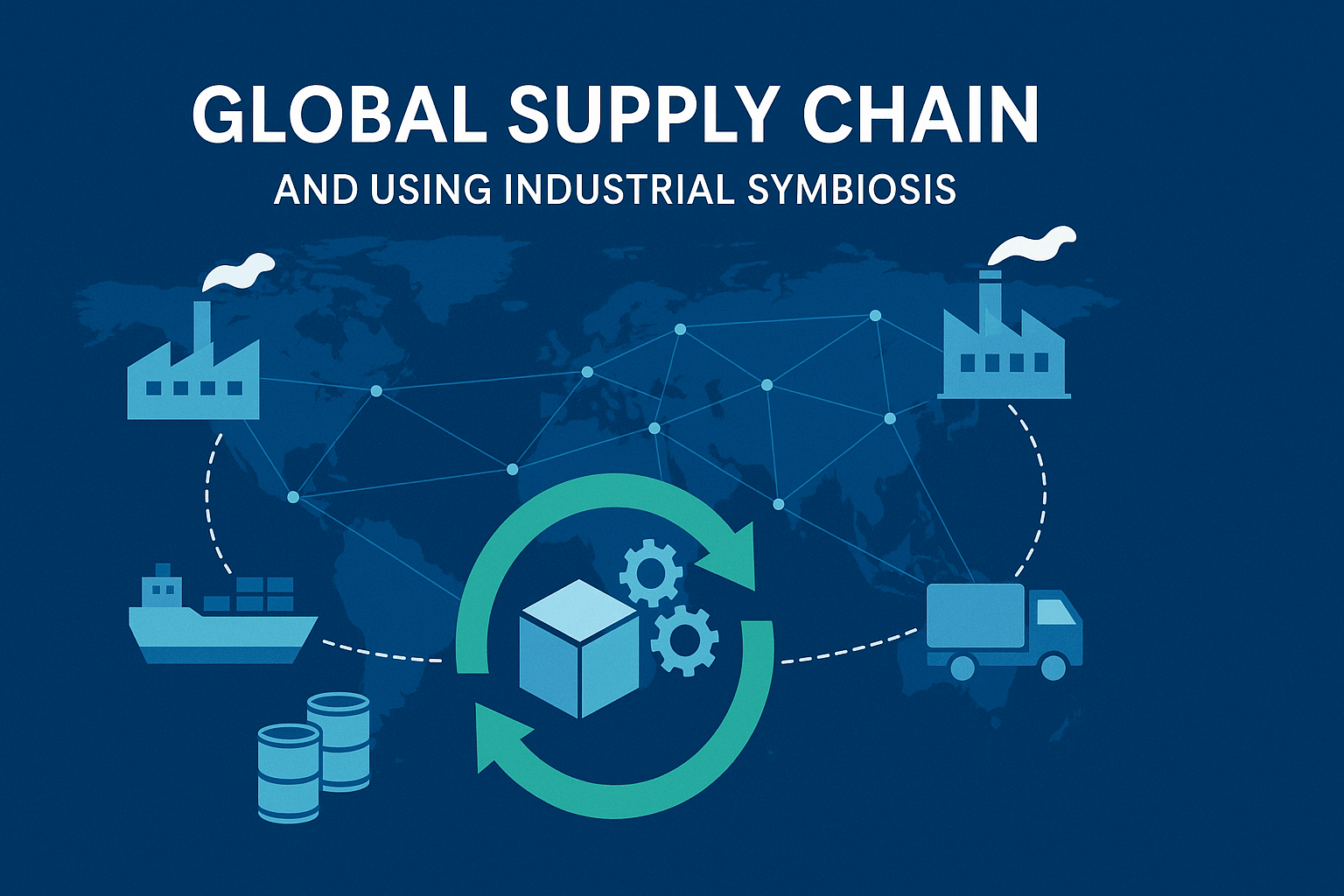
I can identify examples of industrial symbiosis and closed-loop systems.
4 / 30
I understand how circular systems contribute to carbon neutrality and resource efficiency.
5 / 30
I can explain how extended producer responsibility (EPR) supports the circular economy
6 / 30
I can identify major sources and types of plastic pollution (macro-, micro-, and nanoplastics).
7 / 30
I understand the environmental, health, and socio-economic effects of plastic pollution.
8 / 30
I can differentiate between mechanical, chemical, and biological methods of plastic depollution.
9 / 30
I can describe global and EU strategies for plastic waste management and reduction.
10 / 30
I can explain the link between personal consumption choices and plastic leakage into the environment.
11 / 30
I can explain the concept and purpose of Extended Producer Responsibility (EPR).
12 / 30
I can identify key stakeholders in EPR schemes (producers, regulators, consumers, recyclers).
13 / 30
I understand ethical aspects of Extended Organizational Responsibility (EOR) and its link to EPR.
14 / 30
I can recognize examples of ethical and transparent corporate environmental practices.
15 / 30
I can assess how greenwashing and lack of accountability undermine sustainability goals.
16 / 30
I can describe how eco-design contributes to waste prevention and product circularity.
17 / 30
I understand digital traceability tools (e.g., blockchain, Digital Product Passports) in material monitoring
18 / 30
I can identify examples of smart technologies (AI, robotics, sensors) improving recycling efficiency.
19 / 30
I can explain how innovation and policy can drive circular transitions.
20 / 30
I can evaluate sustainability trade-offs in new material or process innovations.
21 / 30
I understand the purpose and structure of the GreenComp (European Sustainability Competence Framework)
22 / 30
I can identify its four core areas: Embodying Sustainability Values, Embracing Complexity, Envisioning Sustainable Futures, and Acting for Sustainability.
23 / 30
I can explain how transformative learning fosters systemic thinking and sustainability mindsets.
24 / 30
I can describe the aims and approach of the EDU4PlastiCircular educational initiative.
25 / 30
I feel confident to apply sustainability values and competencies in my professional or community context.
26 / 30
I feel confident explaining the link between circularity, innovation, and ethics.
27 / 30
I can connect sustainability challenges to real-world engineering or design decisions.
28 / 30
I can critically analyze the social justice dimension of environmental policies.
29 / 30
I can propose strategies for responsible plastic use, reuse, and recycling in my field.
30 / 30
I am motivated to act as a sustainability ambassador in my academic or professional environment.
Your score is
Accessibility Tools